
How to Choose the Right Woven Wire Mesh for Corrosive Environments
Posted by A1 Metal Mesh on 16th Jan 2026
Many operating environments are inherently corrosive, and this is particularly true across much of Australia. High levels of coastal salt spray, humidity, extreme heat, industrial pollutants and frequent wash down processes all contribute to accelerated corrosion of metal products. Even inland locations can present corrosive conditions due to dust, chemical exposure, mining activities and agricultural by-products. For this reason, selecting the right woven wire mesh is a critical decision that directly affects durability, safety and whole of life costs.
What Is Woven Wire Mesh?
Woven wire mesh is a manufactured product created by interlacing metal wires in a consistent over-and-under pattern, similar to textile weaving. This process produces a mesh with uniform apertures, controlled strength and predictable performance. Woven wire mesh is widely used for filtration, screening, separation, guarding, ventilation and architectural applications.
The performance of woven wire mesh is influenced by wire material, wire diameter, aperture size and weave pattern. In corrosive environments, careful consideration of these variables becomes critical, as poor specification can lead to rapid material degradation and early failure.
Why Corrosion Resistance Matters
Corrosion is the gradual deterioration of metal caused by chemical reactions with its surrounding environment. Moisture, salts, acids, alkalis and temperature fluctuations all accelerate this process. Over time, corrosion reduces wire thickness, weakens structural integrity and alters aperture accuracy.
In woven wire mesh applications, corrosion can result in sagging panels, contamination risks, reduced load capacity and eventual failure. This is particularly problematic in industrial processing, infrastructure, food production and safety-related installations, where reliability and compliance are essential. Selecting corrosion-resistant woven wire mesh from the outset helps minimise maintenance and extend service life.
Key Factors When Selecting Woven Wire Mesh for Corrosive Environments
Understanding the Operating Conditions
The first step is assessing the conditions the mesh will face. Exposure may be constant or intermittent and can include humidity, wash down processes, chemical contact, salt air or abrasive materials. Outdoor installations typically face a higher corrosion risk than indoor environments, while fine mesh used in filtration may retain moisture longer than coarse screening mesh.
Accurate assessment of exposure conditions ensures the chosen woven wire mesh material and design are appropriate for the application. Once environmental risks are understood, material selection becomes the most critical decision.
Material Selection and Corrosion Performance
Material choice is the most important consideration when specifying woven wire mesh for corrosive environments.
Stainless Steel Woven Wire Mesh
Stainless steel woven wire mesh is widely used where corrosion resistance and strength are required. Grade 304 stainless steel suits many general industrial applications, while Grade 316 stainless steel offers enhanced resistance to chlorides and aggressive chemicals due to the addition of molybdenum.
For applications requiring both corrosion resistance and fire-related performance, bushfire stainless steel woven wire mesh is commonly specified. It provides durability, maintains structural integrity under heat exposure and supports ember protection requirements when used in compliant systems.
Guidance from the Australian Stainless Steel Development Association indicates that correctly specified stainless steel can achieve service lives exceeding 50 years in many outdoor and industrial environments, making it a strong long-term investment.
Galvanised Woven Wire Mesh
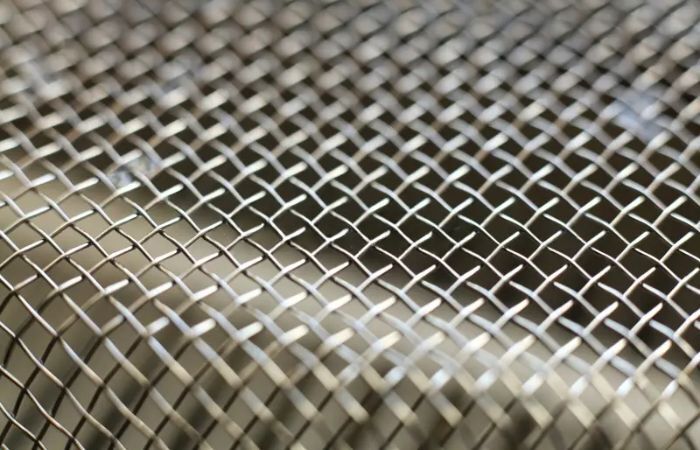
Galvanised woven wire mesh is manufactured from steel wire coated with zinc to provide sacrificial corrosion protection. It is a popular and cost-effective option for fencing, enclosures and general industrial use where exposure is moderate.
While galvanised woven wire mesh performs well in many applications, it is not ideal for highly corrosive environments such as marine exposure or chemical processing, where the zinc coating can degrade more rapidly. Understanding its limitations is essential when selecting galvanised mesh for long-term use.
Bronze, Brass and Copper Woven Wire Mesh
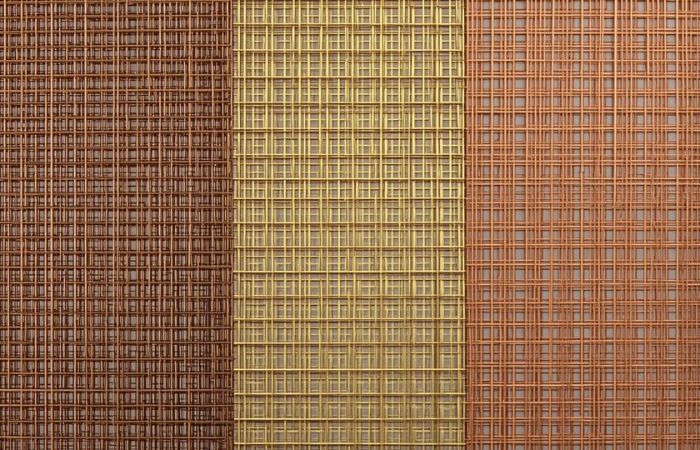
Bronze woven wire mesh, brass woven wire mesh and copper woven wire mesh are non-ferrous alternatives used in specialised applications where specific performance characteristics are required.
Bronze woven wire mesh offers good resistance to corrosion in certain marine and filtration environments. Brass woven wire mesh is commonly used in decorative, architectural and light filtration applications where moderate corrosion resistance, machinability and visual appeal are important. Copper woven wire mesh is valued for its antimicrobial properties and electrical conductivity.
These materials are typically selected for functional or aesthetic requirements rather than heavy-duty structural applications. Their corrosion performance depends heavily on the surrounding environment and the intended use case.
Wire Diameter, Aperture and Mesh Design
Beyond material choice, mesh design influences corrosion resistance. Thicker wire diameters provide greater corrosion allowance, meaning it takes longer for material loss to affect performance. This is particularly important in environments combining corrosion with abrasion or mechanical stress.
Aperture size also plays a role. Very fine apertures can trap moisture, salts or chemicals, increasing corrosion risk if cleaning and drainage are not considered. Selecting an appropriate balance between open area, strength and cleanability helps ensure long-term reliability.
Manufacturing Quality and Standards
High-quality manufacturing reduces the likelihood of early corrosion. Consistent weaving, smooth wire finishes and controlled tolerances minimise surface defects where corrosion can initiate. Woven wire mesh produced to recognised standards offers greater consistency, traceability and confidence in performance.
Engaging with experienced suppliers who understand material behaviour and application requirements helps ensure the mesh performs as intended over its full service life.
Industry Specific Requirements in Australia
Different Australian industries place unique demands on woven wire mesh. In water and wastewater treatment, resistance to chlorides and continuous immersion is critical. In mining and quarrying, mesh must withstand abrasion combined with corrosive slurries and extreme mechanical loads.
Food and pharmaceutical processing environments require corrosion resistance alongside hygienic, easy-to-clean surfaces that meet strict regulatory standards. Agricultural applications may involve exposure to fertilisers, animal waste and outdoor weathering. Each use case requires careful consideration of both corrosion risks and operational demands.
Long-Term Performance in Australian Environments
Australia’s harsh and varied conditions make the woven wire mesh specification particularly important. From coastal infrastructure exposed to salt-laden air, to inland industrial sites facing dust, chemicals and abrasion, materials must be selected with a clear understanding of environmental exposure and performance demands.
While corrosion-resistant materials may carry a higher upfront cost, they deliver significantly greater long-term value through reduced maintenance, fewer replacements and improved operational reliability. In corrosive Australian environments, selecting an unsuitable mesh often results in premature failure and increased whole-of-life costs.

Choosing the right woven wire mesh for corrosive environments is not simply about preventing rust; it is about ensuring consistent, reliable performance over decades of use.
At A1 Metal Mesh, we supply woven wire mesh solutions designed for Australia’s toughest conditions. With decades of industry experience, in-house manufacturing, and strict quality inspection processes, we deliver stainless steel, galvanised, bronze and copper woven wire mesh for architectural, industrial, filtration and infrastructure applications.
Contact our team to discuss a solution tailored to your operating environment and performance requirements.